_2.png)
Rental property can be a strong investment, but only when the numbers, tenants, paperwork, and day-to-day management are handled correctly. In a market like Rochester, where property types and neighborhood conditions can vary block by block, small oversights can quickly become expensive.
Retain Each works with property owners who want to protect their investment, reduce confusion, and make better decisions before problems turn into losses. The biggest mistakes usually come from missing information, unclear expectations, or putting the wrong person in charge of the wrong responsibility.
Key Takeaways
- Hiring the wrong person to manage your property can create legal, financial, and tenant-related problems.
- Buying an investment property without reviewing leases, rent rolls, and deposits can lead to surprise losses.
- A real estate agent may be great at sales, but not always experienced in rental operations.
- Your rent expectations need to match the property, neighborhood, and tenant pool.
- Vacancy, nonpayment, and repairs should be planned for before you buy, not after.
The Right Property Manager Is More Than a Maintenance Contact

One costly mistake landlords make is assuming a property manager is simply someone who handles repairs. Maintenance matters, but it is only one piece of property management.
A true property manager helps with rent collection, lease compliance, tenant communication, inspections, vendor coordination, financial tracking, and risk reduction. In New York, property management can also involve licensed real estate activity, which means owners should be careful about who they allow to represent them.
The danger is not just poor service. The danger is bad advice, mishandled tenant situations, incomplete paperwork, or decisions that expose the owner to unnecessary liability.
Before handing someone the keys to your investment, ask:
- Are they properly licensed where required?
- Do they understand New York rental laws?
- Do they manage rental properties full-time?
- Can they explain their process for rent collection, leases, repairs, and tenant issues?
- Do they have experience with properties like yours?
Owners who want structured support should start with professional Rochester property management services instead of relying on someone whose experience is mostly limited to repairs or informal tenant communication.
Do Not Treat Every Real Estate Agent as an Investment Advisor
A real estate agent can be very helpful during a purchase, but that does not automatically make them an investment property expert.
Buying a rental is different from buying a personal home. You are not just looking at bedrooms, bathrooms, finishes, and curb appeal. You are buying income, tenant risk, repair exposure, market demand, and long-term operating costs.
A good sales agent may know how to negotiate a deal, but they may not know how to evaluate:
- Tenant quality
- Current rent collection history
- Lease strength
- Security deposit records
- Neighborhood rental demand
- Repair costs after closing
- Realistic vacancy risk
This is where many investors get into trouble. They receive positive feedback during the sale, but after closing, they discover the rent was unrealistic, the tenant was behind, the lease was missing, or the property needed more work than expected.
Before buying, owners should review rental income, expenses, and expected operating costs carefully. Rental owners also need to understand how rental income and expenses are commonly tracked for tax purposes through rental income and expense records.
Missing Security Deposit Details Can Cost You Later
Security deposits are one of the most overlooked details when buying tenant-occupied property.
If a tenant already lives in the property, there should be a clear record of whether a deposit was paid, how much was paid, where it is being held, and how it transfers at closing. If this is not addressed, the new owner may still be expected to return money to the tenant later, even if that money was never properly transferred.
That creates a frustrating situation. You buy the property expecting income, but you may also inherit financial obligations that were not clearly explained.
Before closing, ask for:
- A copy of each lease
- The deposit amount for each tenant
- Written confirmation of where deposits are held
- Deposit transfer details in the closing documents
- Move-in condition records, if available
Security deposits should never be treated as a small side detail. They are part of the financial picture of the rental property.
Rent Rolls Tell You More Than the Rent Amount

A rent roll is more than a list of tenants and monthly rent amounts. It should help you understand how the property is actually performing.
The most important question is not only “How much rent is due?” It is also “How does the tenant pay?”
A strong rent roll can show whether tenants pay on time, late, partially, inconsistently, or not at all. That matters because two properties can look identical on paper but perform very differently in real life.
For example, a property listed at $2,000 per month in rent may look attractive. But if the tenant regularly pays late, pays in small portions, or has no clear lease agreement, the actual income may be far less reliable than advertised.
When evaluating a property, review:
- Payment dates
- Payment amounts
- Payment method
- Late payment patterns
- Outstanding balances
- Lease start and end dates
- Any informal agreements with tenants
If those records are missing, that is a warning sign. It does not always mean the property is a bad investment, but it does mean you need more information before trusting the numbers.
Your Rent Expectations Must Match the Property and Neighborhood
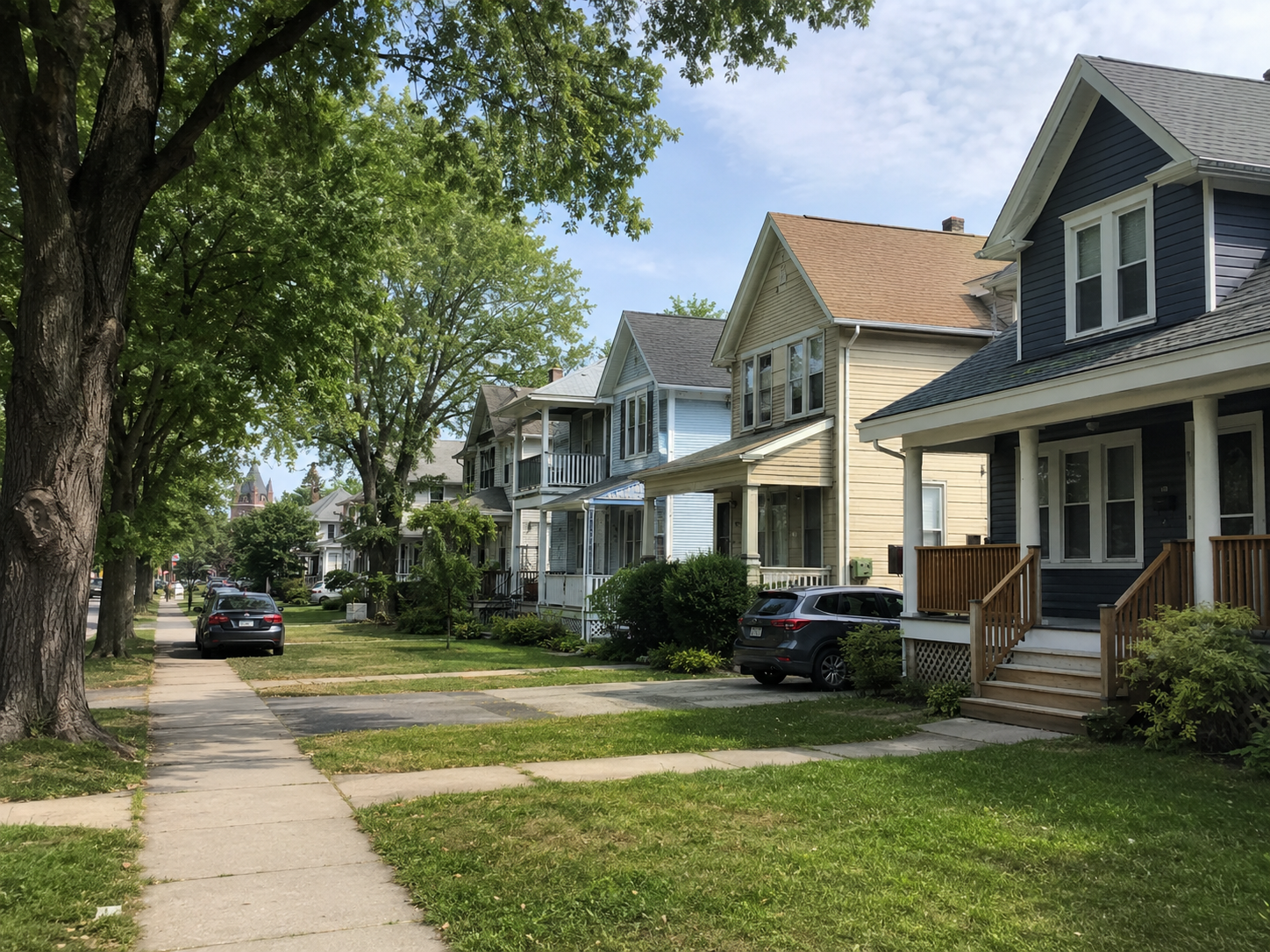
Another common mistake is expecting premium rent from a property or neighborhood that does not support it.
Rochester has different rental submarkets, and tenant demand can vary based on property condition, location, pricing, schools, transportation, employment access, and neighborhood perception. Owners need to understand who the likely tenant is for that specific property.
This does not mean lowering standards. It means being realistic.
If the property is in a distressed area, needs repairs, or has limited amenities, asking for top-of-market rent may create longer vacancy, weaker applications, or repeated turnover. The property, price, and tenant profile need to line up.
Local housing and demographic data can help owners think more clearly about market conditions in Rochester City, New York.
A strong rental strategy should consider:
- What similar rentals actually lease for
- How long comparable homes sit vacant
- What condition tenants expect at that rent level
- Whether the rent supports the owner’s cash flow after expenses
- Whether the tenant pool can realistically afford the asking rent
This is where rental market guidance for Rochester investors can help owners avoid pricing decisions based on hope instead of market reality.
Vacancy and Nonpayment Need to Be Built Into the Budget

Many investors run their numbers assuming 12 full months of rent. That is risky.
Vacancy happens. Repairs happen. Tenants sometimes pay late or stop paying altogether. Seasonal slowdowns can affect cash flow. Around holidays, some tenants may prioritize other expenses, and owners need enough reserves to keep the property stable.
If your investment only works when everything goes perfectly, the property may be more fragile than it looks.
A better budget includes room for:
- Vacancy
- Maintenance
- Turnover costs
- Legal or filing fees
- Missed or delayed rent
- Emergency repairs
- Capital improvements
Rental ownership is still a business. A business needs working capital, clean records, and a plan for slower months.
Owners should also keep solid records of repairs and operating expenses because many ordinary rental expenses may be deductible when properly documented through rental real estate recordkeeping.
Poor Communication Creates Confusion for Everyone
A rental property has several moving parts: owner, tenant, manager, vendors, agents, and sometimes attorneys or lenders. When communication is unclear, problems grow quickly.
A tenant may not know where to send rent. An owner may not know whether repairs were completed. A manager may not have the lease. A buyer may not know whether the deposit was transferred. These small gaps can create major stress.
The solution is simple, but it requires discipline: document everything.
Every rental should have:
- A signed lease
- Tenant contact information
- Deposit records
- Rent ledger
- Maintenance history
- Move-in documentation
- Clear owner and tenant communication
Owners who need help organizing the management side of their rental can benefit from learning more about the duties, responsibilities, and rights involved in professional landlord support in Rochester before a small documentation issue becomes a costly financial problem.
Final Thoughts
The most expensive property management mistakes usually happen before the owner realizes there is a problem. Missing paperwork, unrealistic rent expectations, poor tenant records, and the wrong management support can all reduce cash flow and create avoidable stress.
Retain Each helps property owners look at the full picture, not just the rent number. When the property, tenant, paperwork, and management process are aligned, owners have a much better chance of protecting their investment and building long-term rental success.
Because rental property decisions can involve legal, financial, and tax considerations, owners should always confirm important details with the right professional before acting.
Disclaimer: This content is for general educational purposes only and should not be taken as legal, financial, tax, or investment advice. Rental property laws and requirements can vary based on the property, lease, municipality, and situation. Property owners should consult a qualified attorney, tax professional, or licensed real estate professional before making decisions about leases, security deposits, tenant issues, or investment purchases.